Information for patients and families about the spinal conditions Prof Kruger treats. Each page explains the condition in plain language, covers symptoms and risk factors, and walks through non-surgical and surgical options, with a summary of the key research behind each treatment.
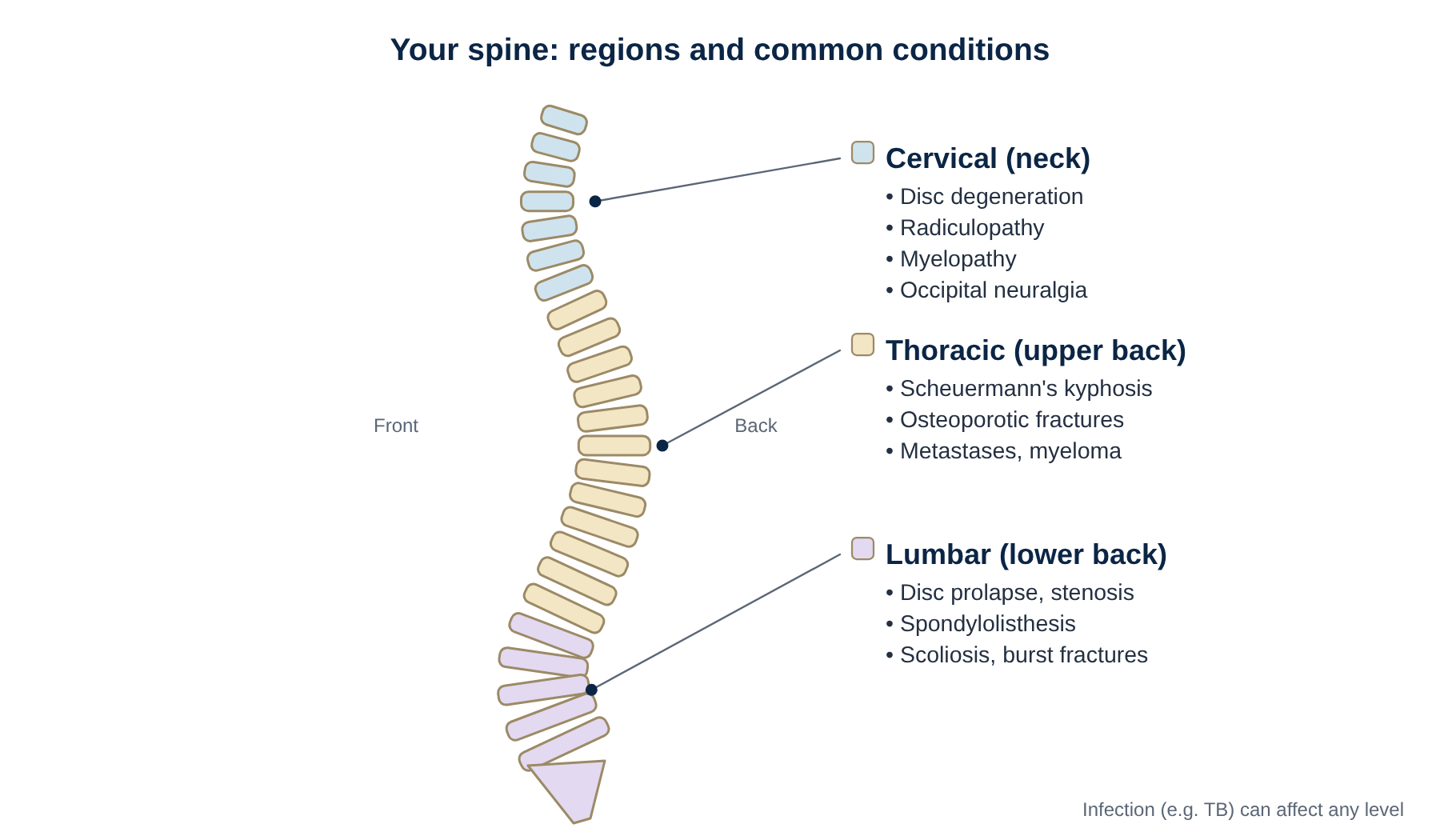
Degeneration: Lower Back (Lumbar)
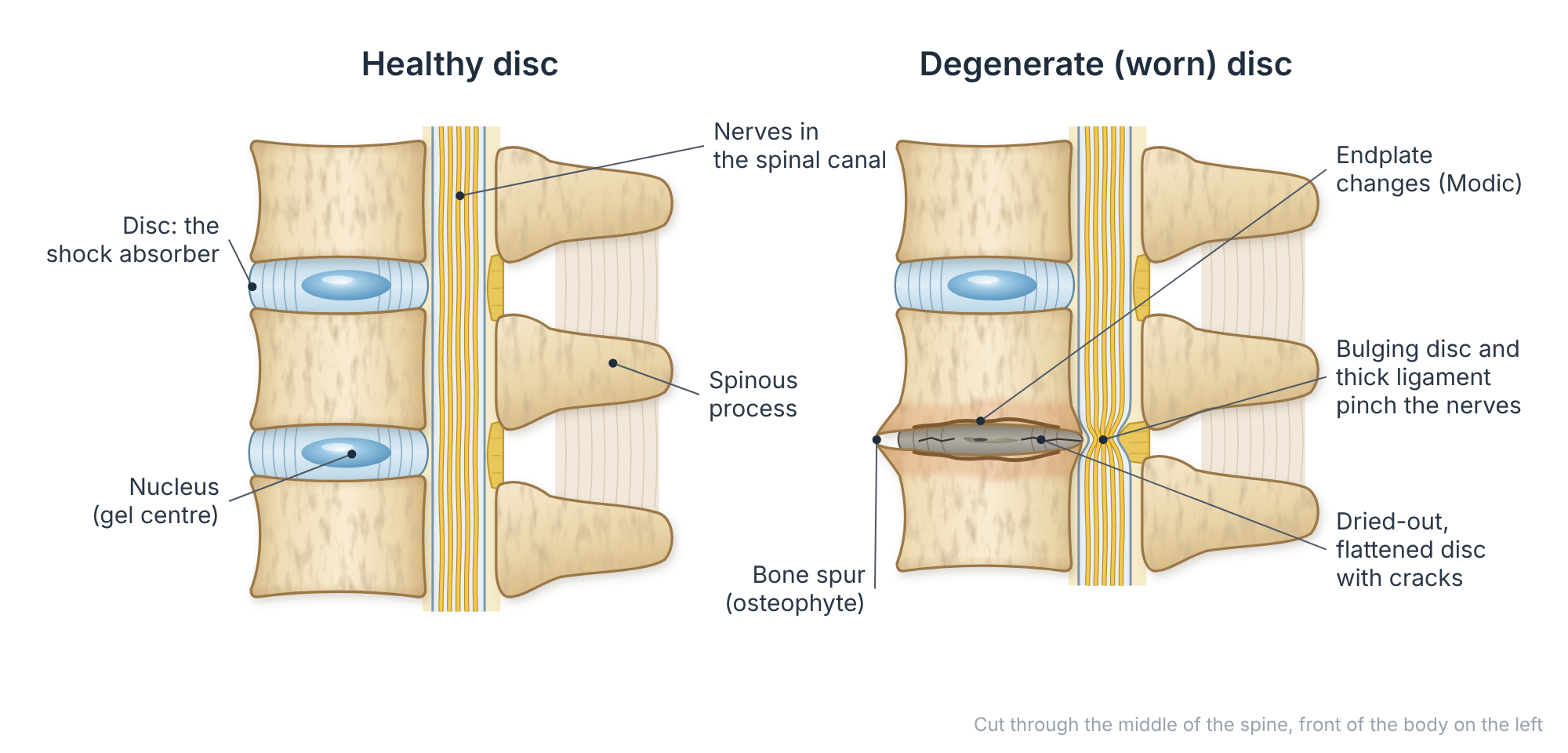

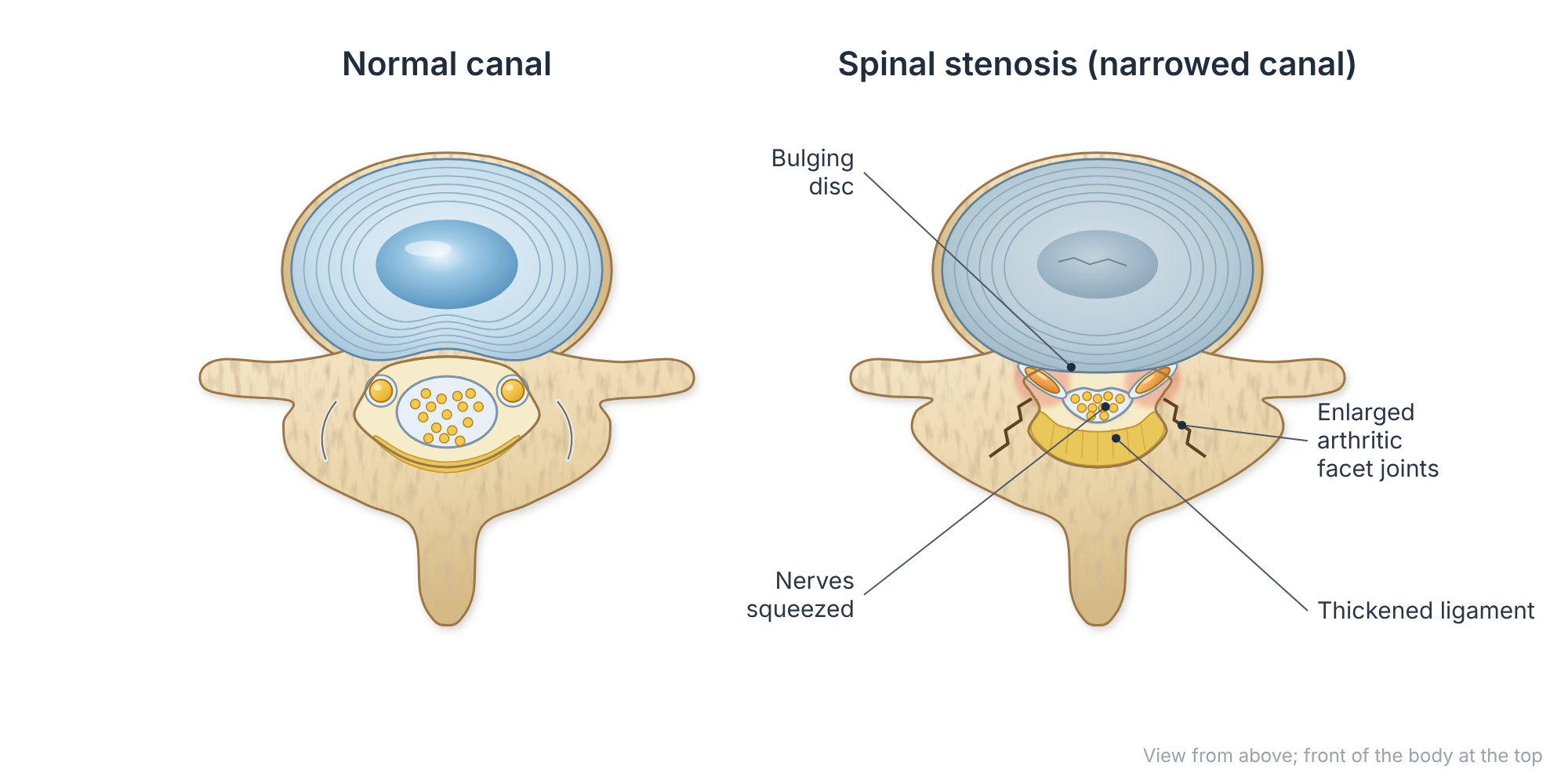

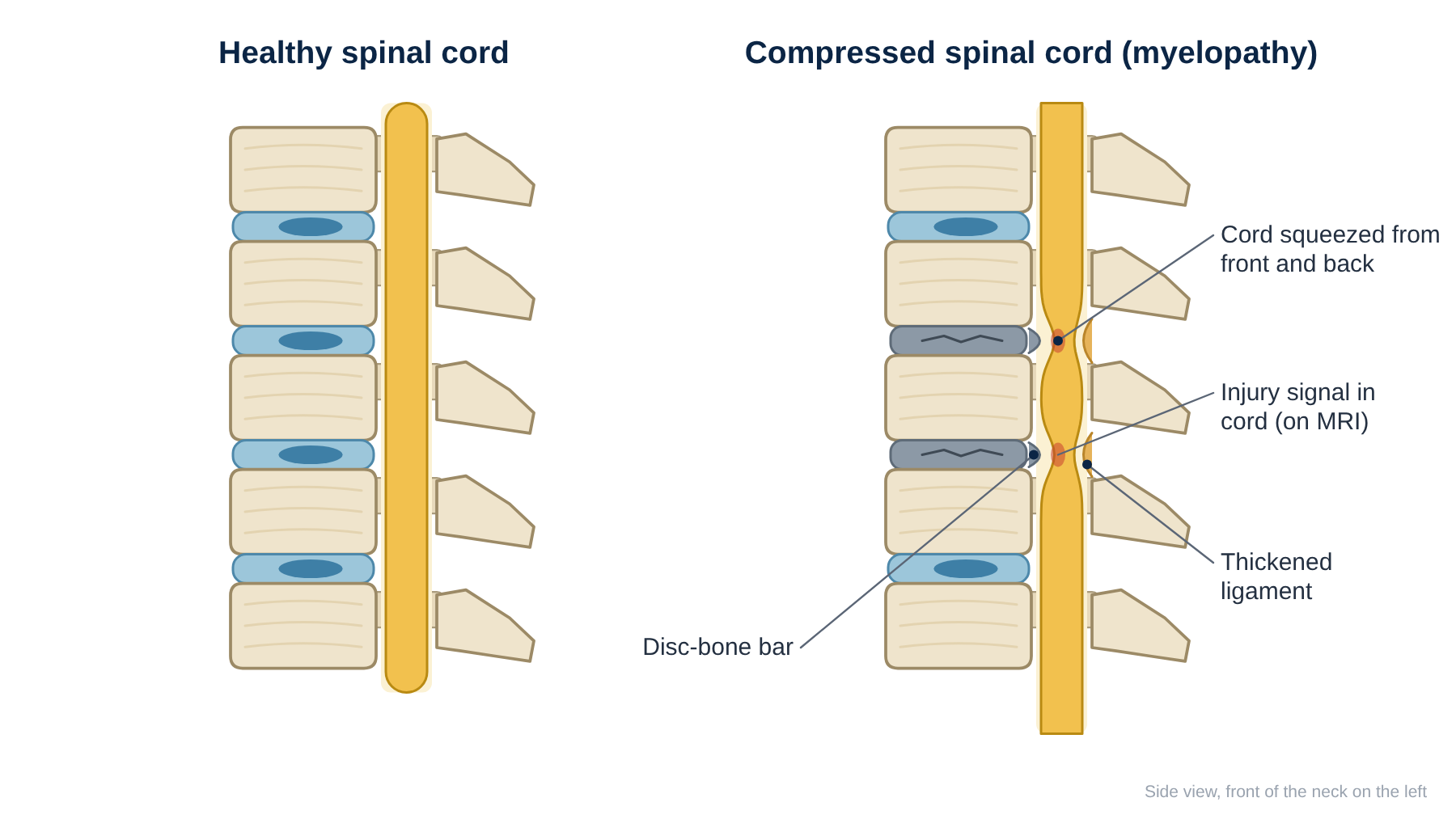
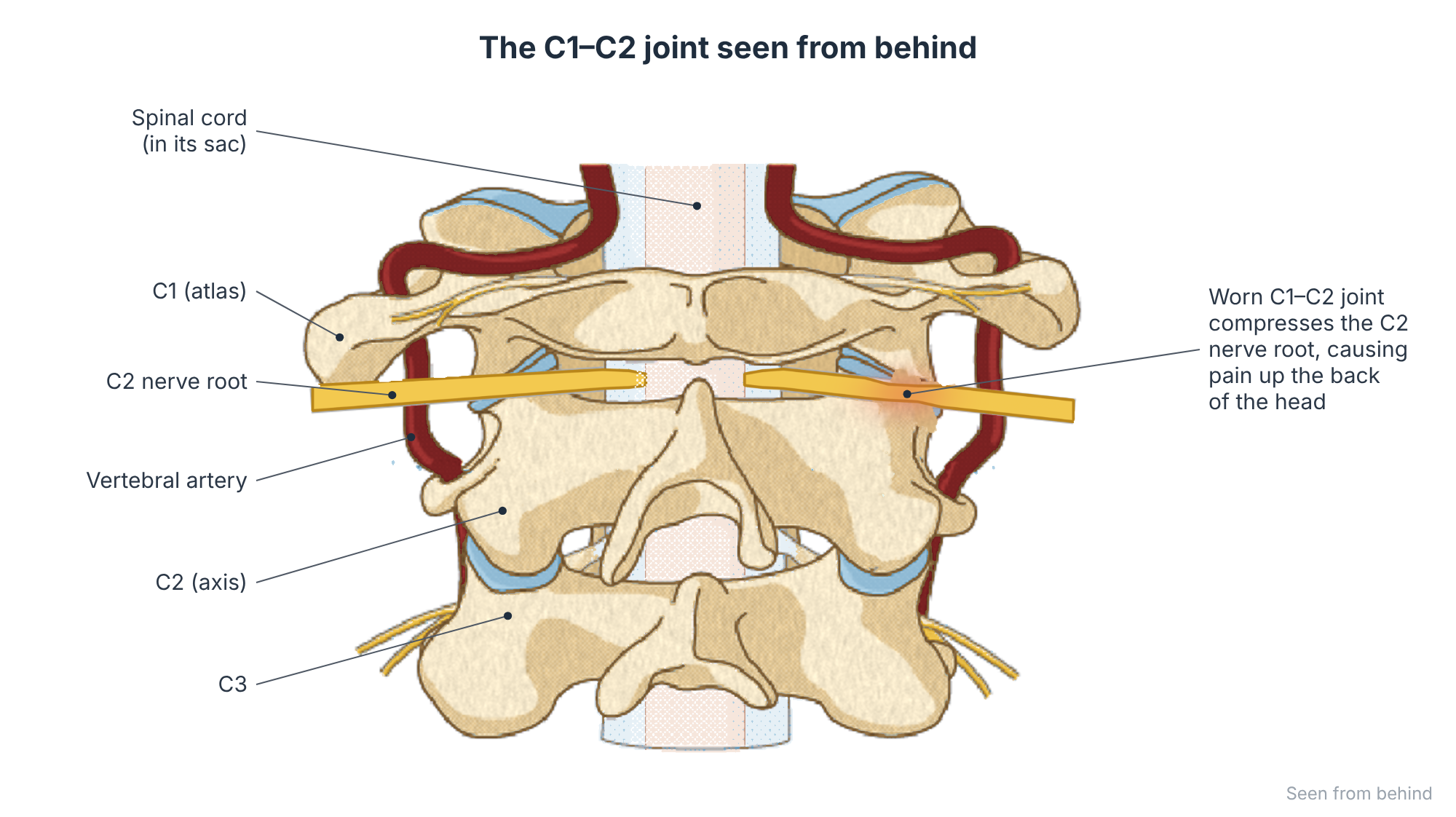
Degeneration: Neck (Cervical)

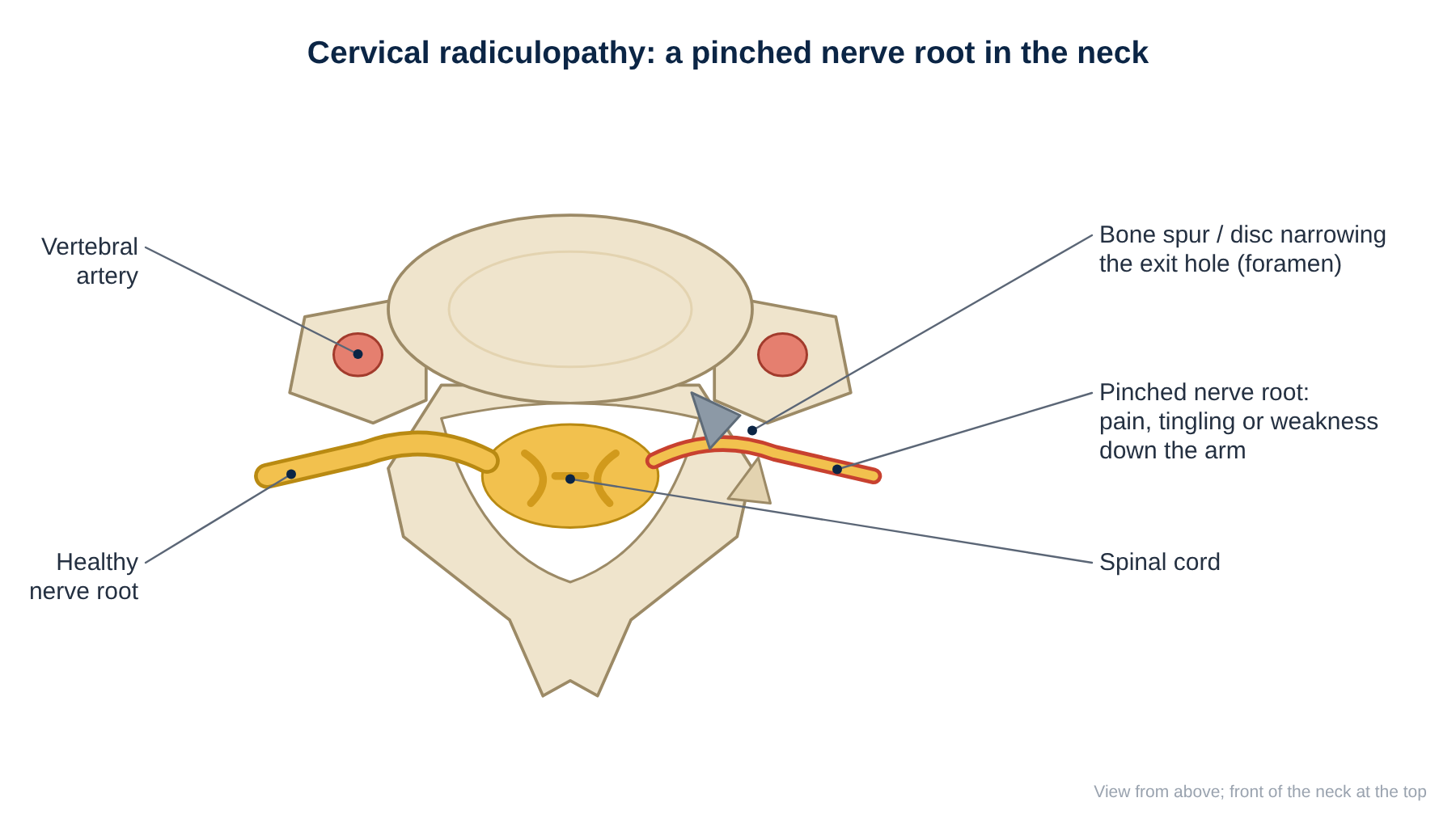
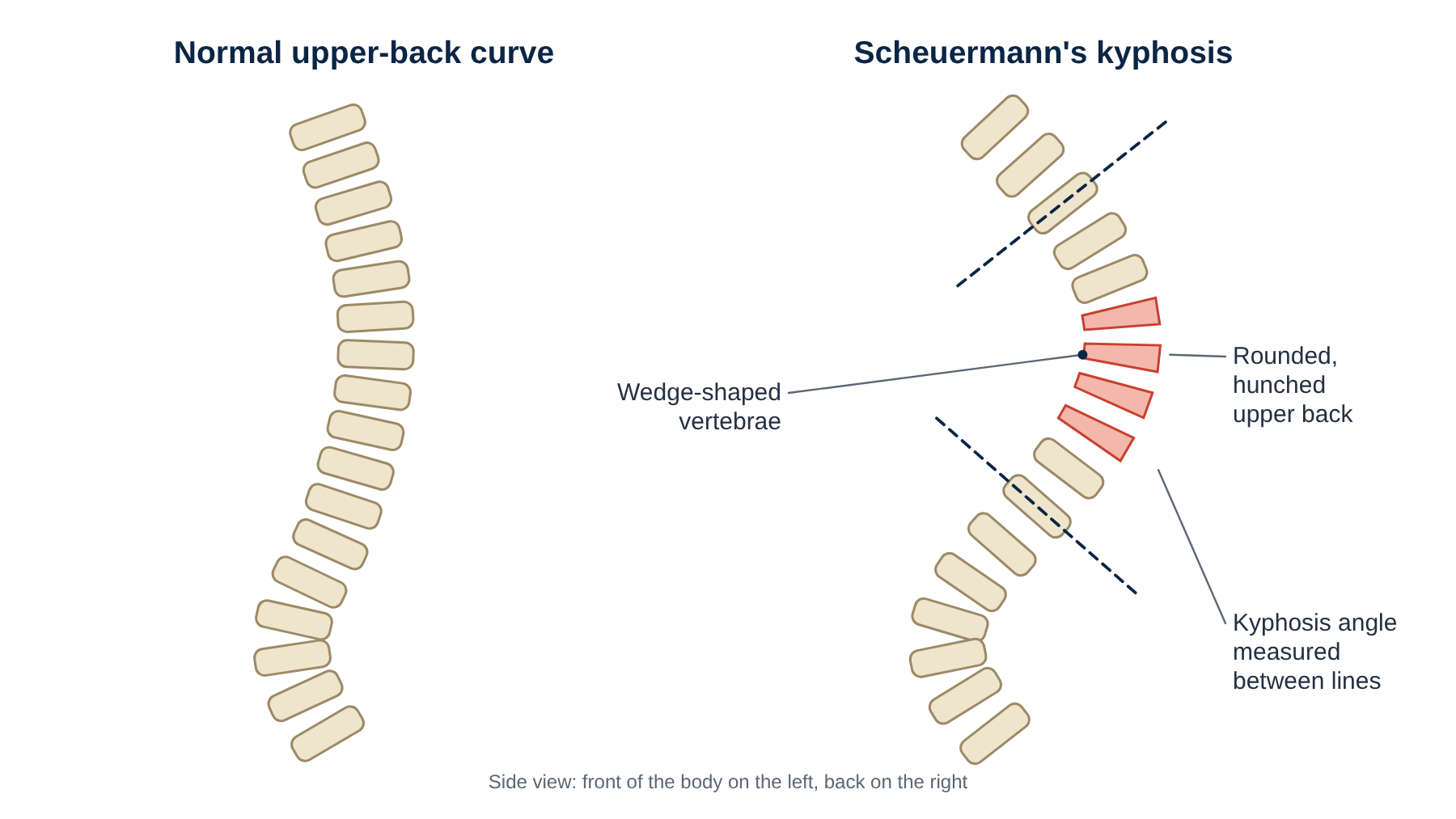
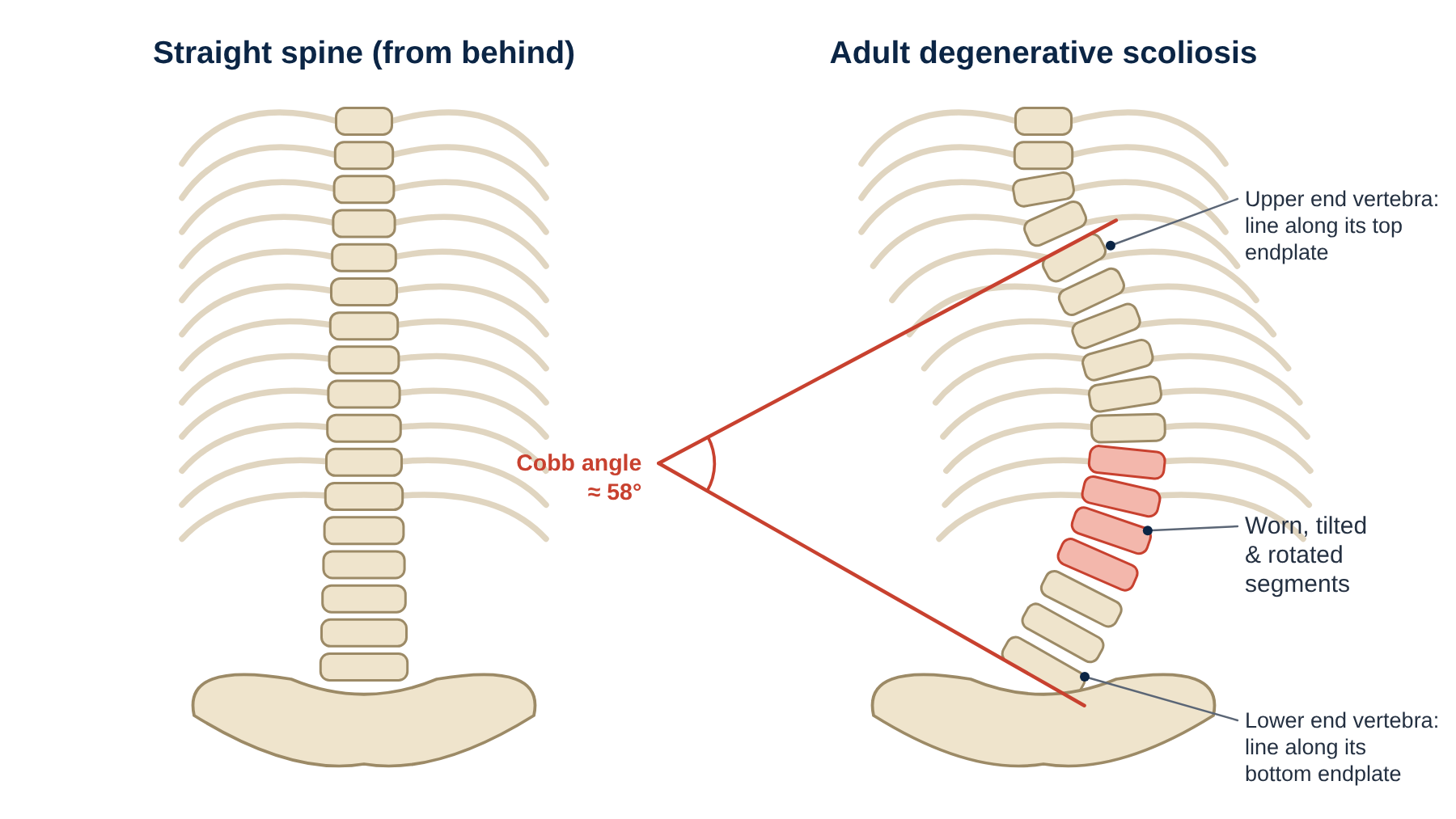
Spinal Deformity
Spinal Trauma
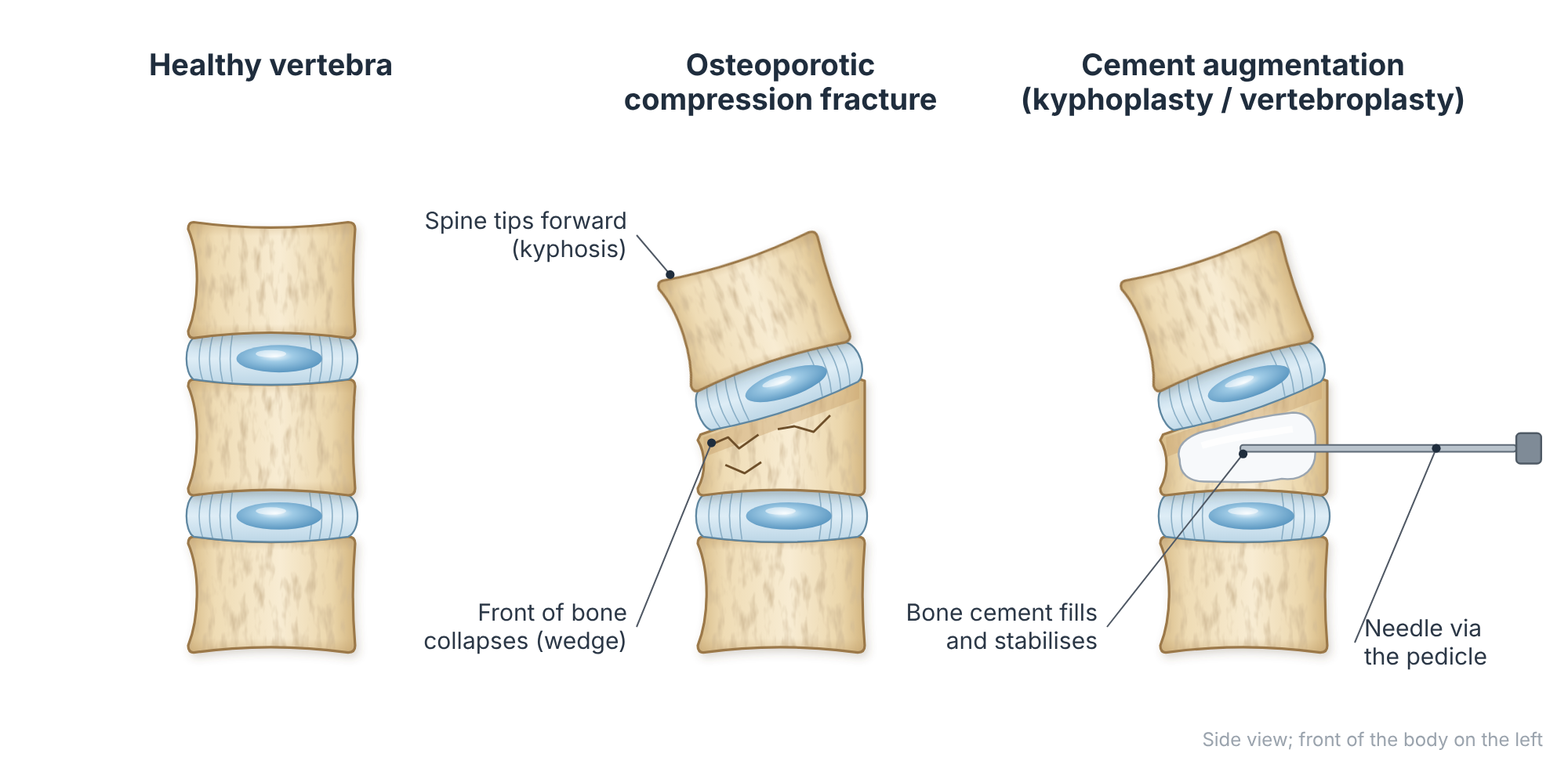

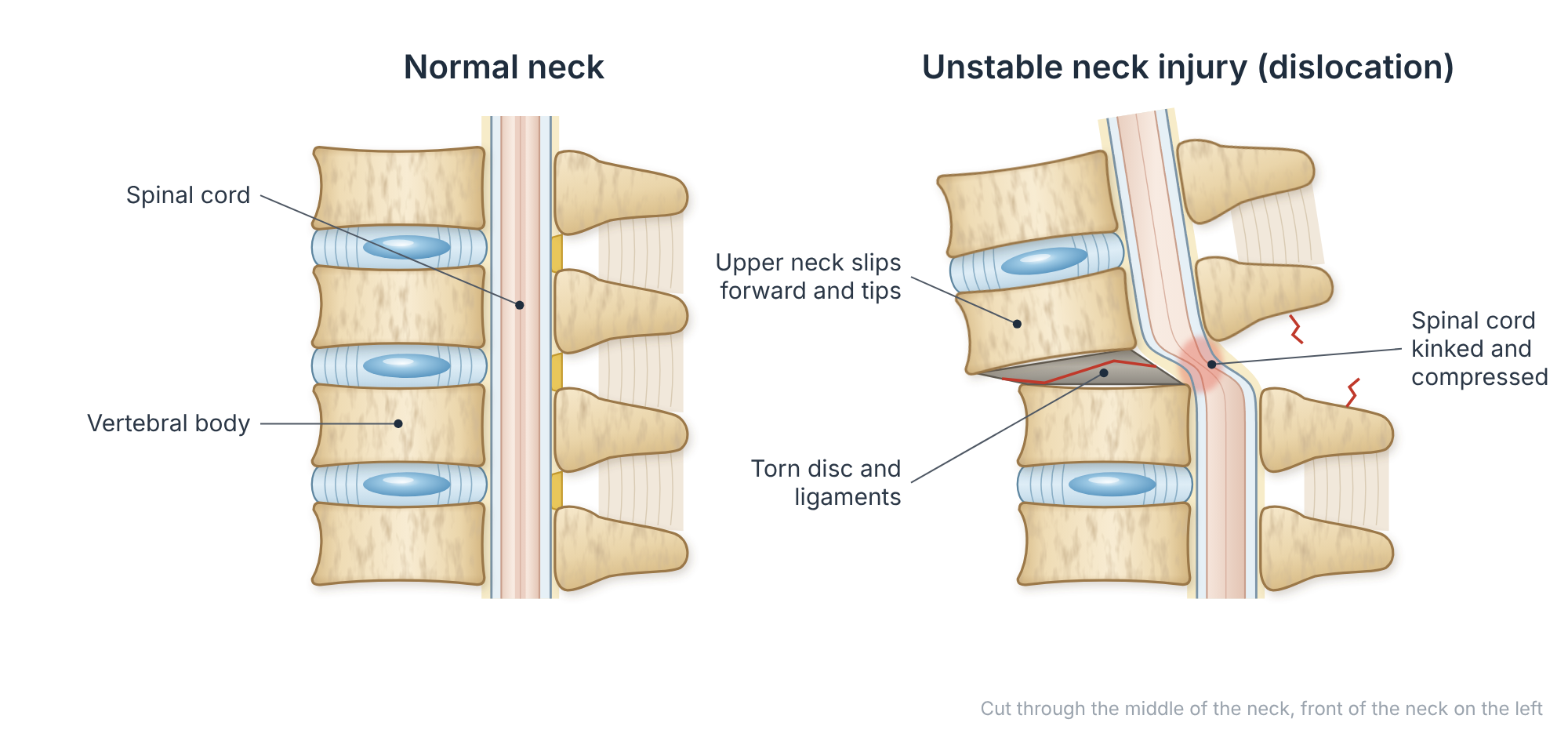

Spinal Tumours
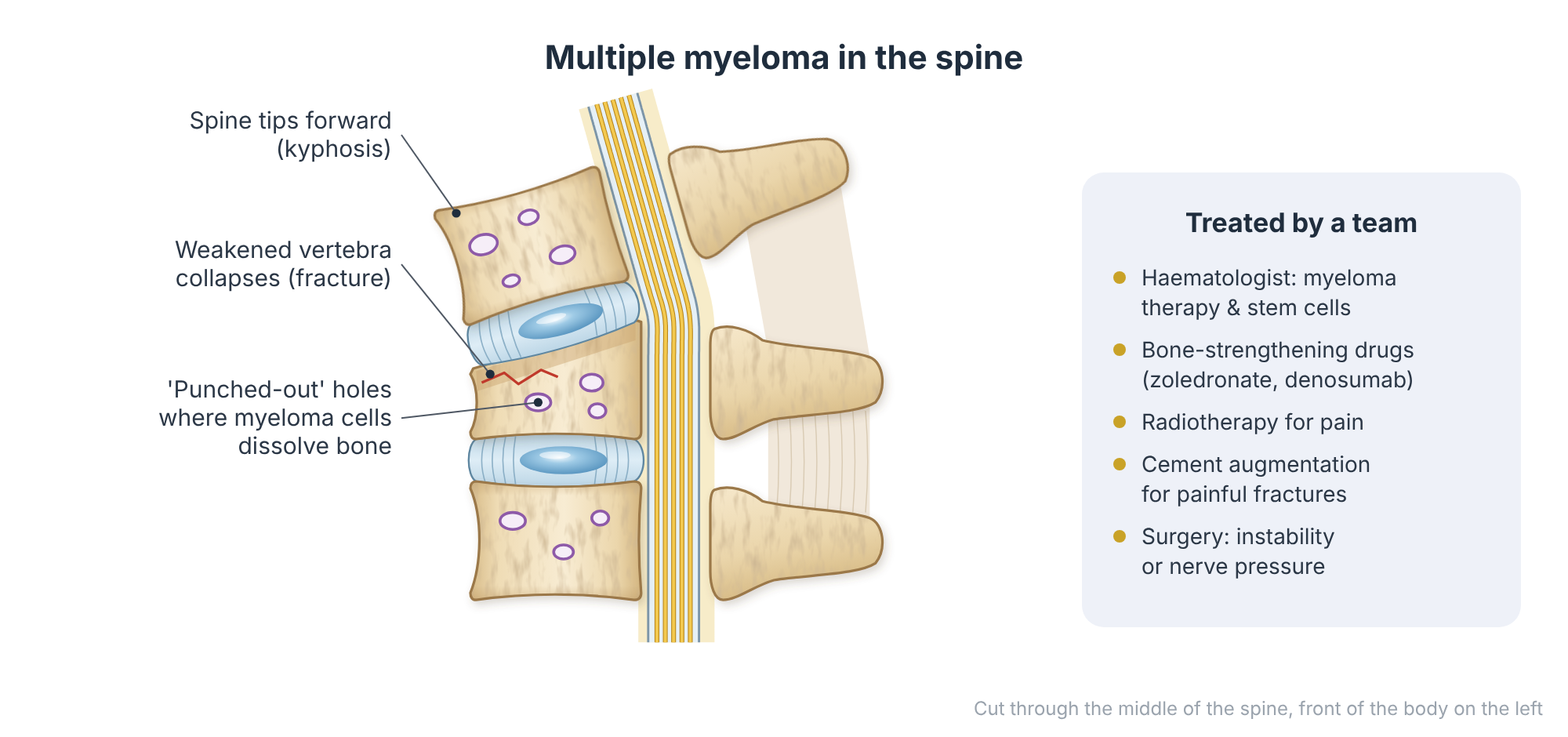

Spinal Infection


How treatment decisions are made
Most spinal conditions are treated without surgery. When surgery is recommended, the choice of operation depends on the diagnosis, your anatomy, your general health and, most importantly, your goals. Treatments are based on high-quality research, such as the Spine Patient Outcomes Research Trial (SPORT), and are discussed openly so that you can make an informed decision.

Talk to Prof Kruger
If you are living with this condition and would like an opinion on your options, you are welcome to book a consultation. Please bring any recent scans and reports.
This page is general patient education based on published research and is not a substitute for a personal consultation. Treatment is always tailored to the individual.